The case for reviving George Orwell’s December 1946 seasonal celebration values in December 2025
Nov 30th, 2025 | By Randall White | Category: In Brief
RANDALL WHITE. FERNWOOD PARK, TORONTO. SUNDAY, NOVEMBER 30, 2025. Some recent seasonal advice from the estimable www.independent.co.uk started me thinking.
It came in a “Health Check” from Emilie Lavinia, Fitness and Wellbeing Editor, on “The true cost of drinking alcohol” — as you spread your glad tidings of good cheer over the next 30 days.
Ms Lavinia is worth quoting : “As The Independent’s fitness and wellbeing editor, I’m seeing more and more instances of ‘party anxiety’ as we move into the festive season. According to the charity Alcohol Change 1 in 5 people in the UK report not drinking alcohol at all but for those who do, there are grey areas that can seriously impact physical and mental health.”

The Fitness and Wellbeing Editor’s late November 2025 piece goes on :”The season of celebration brings with it social pressures, excess and sometimes, just drinking for the sake of it. For many people, drinking alcohol often feels like a negative experience — something they don’t want to do or something they dread.”
I know Ms Lavinia’s advice does ring true for readers today who feel they must navigate a few too many seasonal celebrations over the last few weeks of 2025. But it also made me think of a vaguely related piece from long ago by George Orwell.
This was first published in the “democratic socialist political magazine” Tribune, on December 20, 1946 — the second Christmas after the end of the Second World War. (During which Home Guard Sergeant George Orwell had watched the nighttime fires of the London Blitz from the roof of BBC Broadcasting House.)
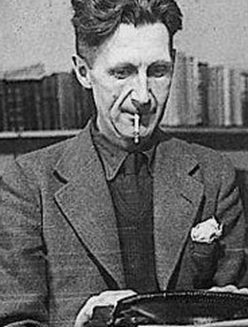
The main thrust of Orwell’s early postwar piece begins with : “The only reasonable motive for not overeating at Christmas would be that somebody else needs the food more than you do. A deliberately austere Christmas would be an absurdity. The whole point of Christmas is that it is a debauch — as it was probably long before the birth of Christ was arbitrarily fixed at that date.”
The most often noted part of this particular Orwell “As I Please” column in the 1940s Tribune is probably his parallel advice on “drinking alcohol” as part of seasonal celebrations.
The key passage here starts with : “One may decide, with full knowledge of what one is doing, that an occasional good time is worth the damage it inflicts on one’s liver.”
Orwell so memorably goes on : “For health is not the only thing that matters: friendship, hospitality, and the heightened spirits and change of outlook that one gets by eating and drinking in good company are also valuable. I doubt whether, on balance, even outright drunkenness does harm, provided it is infrequent—twice a year, say. The whole experience, including the repentance afterwards, makes a sort of break in one’s mental routine, comparable to a week-end in a foreign country … ”

The obvious first observation on all this is just how much more convivial and devoted to plain human truth Orwell was in 1946 than the Fitness and Wellbeing Editor (rightly enough, no doubt) feels able to indulge in 2025.
I do agree that Emilie Lavinia’s piece is closer to the real world for most of her readers today.
(And even Orwell’s case for “outright drunkenness” is qualified by “provided it is infrequent — twice a year, say.” Which could barely get some contemporary seasonal celebrants beyond the coming first week of December 2025.)
Yet I think as well that our present cultural universe could stand to remember and even revive some of the seasonal values George Orwell celebrated more than three quarters of a century ago.
And in this spirit I conclude with a final relevant Tribune quotation from December 20, 1946 :
“Offhand I can’t remember a single poem in praise of water, i.e. water regarded as a drink. It is hard to imagine what one could say about it. It quenches thirst: that is the end of the story.”

Orwell goes on : “As for poems in praise of wine, on the other hand, even the surviving ones would fill a shelf of books … Whisky, brandy and other distilled liquors have been less eloquently praised, partly because they came later in time. But beer has had quite a good press, starting well back in the Middle Ages.”
Whatever drinks you may prefer over the next 30 days (including water), it is probably not too early in our current public state of mind to say Happy Holiday Shopping 2025 !